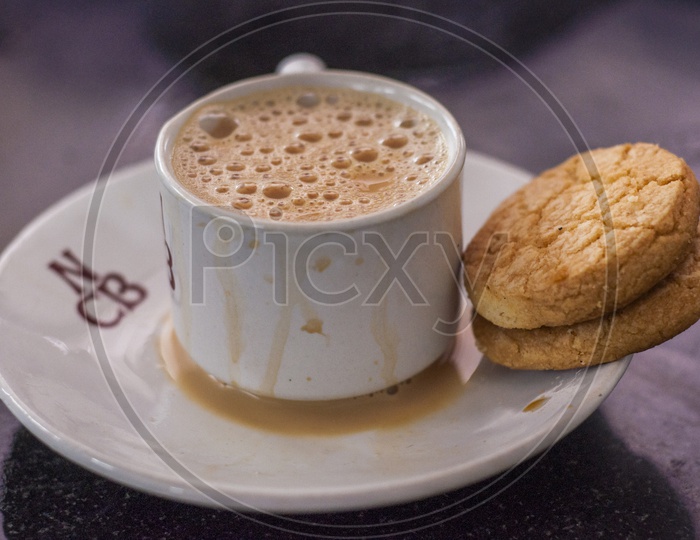
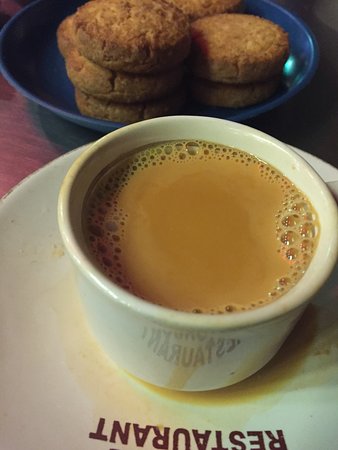
Irani Chai Famous chai in Hyderabad
Irani chai is thick, slightly sweet, and full of flavor. It is made by brewing strong tea decoction separately and then mixing it with creamy milk. The taste is smooth and comforting, especially during evenings. Famous chai in Hyderabad and also When paired with an Osmaniya biscuit, the experience becomes complete.
Osmaniya biscuits are light, slightly salty with a hint of sweetness. When dipped into hot chai, they soften just enough and melt in the mouth. This simple combination represents Hyderabad’s relaxed café culture, where people sit, talk, and spend hours over one cup of tea. It is not about luxury — it is about comfort and connection.
Now comes the perfect partner: the Osmaniya biscuit. Named after the last Nizam of Hyderabad, it is known for its delicate flavor. Unlike regular sweet biscuits, Osmaniya biscuits have a unique mix of light sweetness and a mild salty touch. This combination makes them ideal for dipping into hot chai. When dipped for just a second, the biscuit softens and almost melts in the mouth, blending beautifully with the tea.
Why Osmaniya?
Apart from Osmaniya biscuits, many bakeries in Hyderabad also offer what people casually call “Usmani sweets” — traditional bakery-style items inspired by the same royal-era influence. These sweets are usually simple, not overloaded with cream or decoration. They focus more on taste than appearance. From soft cakes to mild-flavored cookies, the emphasis is always on comfort and tradition rather than modern trends.
What makes this entire experience special is not just the taste but the atmosphere around it. Irani chai breaks are common in the mornings and evenings. Friends meet to discuss life, business deals are casually talked about, students prepare for exams while sipping chai, and elders read newspapers quietly in a corner. It creates a sense of belonging.
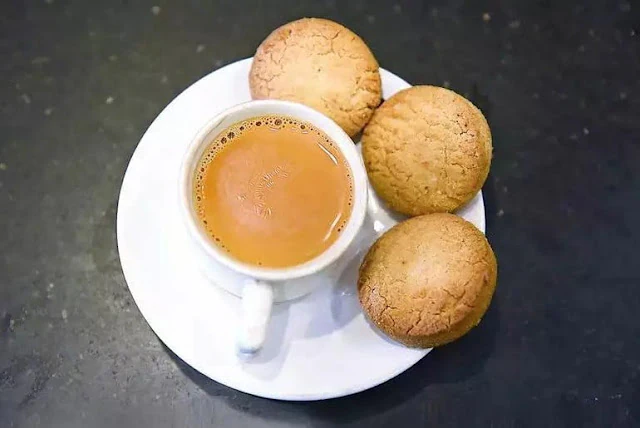
Irani chai is prepared differently
In a fast-moving world filled with fancy cafés and complicated beverages, Irani chai and Osmaniya biscuits remain simple and honest. They represent Hyderabad’s ability to hold on to tradition while still moving forward. One cup may seem small, but the culture behind it is deep and meaningful. it is also famous in charminar hyderabad
It is part of daily life. The story of Irani chai in the city goes back to the Irani cafés that were started by Persian migrants many decades ago. These cafés slowly became meeting spots for writers, students, businessmen, and friends.
Even today, when you step into an old-style café, you can feel that vintage charm and Famous chai in Hyderabad simple to drink marble-top tables, slow ceiling fans, and the strong aroma of tea filling the space.
Irani chai is prepared differently from regular tea. Instead of boiling everything together, the tea decoction is brewed strong and separately. Thick, creamy milk is prepared on another stove, often reduced slowly to make it richer.
When a cup is served, the two are mixed in the right proportion, creating a smooth, slightly sweet, and comforting taste. It is not overly spicy or overly sweet — it has balance. That balance is what makes people keep coming back for another cup.
Named As..!
amed after the last Nizam of Hyderabad, Mir Osman Ali Khan, these biscuits were reportedly created to his specific taste—a perfect balance of sweet and salt.
The Texture: A true Osmania biscuit should crumble the moment it hits your tongue. It’s buttery, but not greasy.
The Secret: There’s a distinct hint of salt that cuts through the sweetness, making it the perfect foil for the sugary Irani tea.
The Ritual: You don’t just eat an Osmania biscuit; you dunk it. A quick three-second dip in the hot tea allows the biscuit to soak up the liquid without falling apart, creating a melt-in-the-mouth experience.
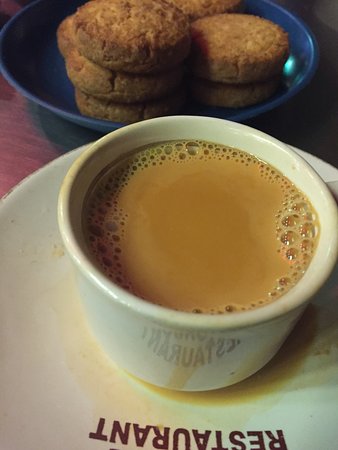
Irani Chai: The “Liquid Velvet” of the Deccan Famous chai in Hyderabad
Unlike the milky, spice-heavy tea found elsewhere in India, Hyderabad’s Irani Chai is a Persian-influenced masterpiece. It’s defined by a unique brewing process called the Dum method.
- The Decoction: The tea leaves are boiled in a sealed copper pot for hours until they produce a dark, potent liquid (the khada).
- The Creamy Base: In a separate container, milk is slow-boiled until it reduces significantly, becoming thick, creamy, and slightly sweet.
- The Pour: The magic happens at the counter. The “Chai Master” pours a shot of the dark tea concentrate and tops it with the velvety milk. It’s rich, heavy, and has a texture that lingers.
No Responses